A 27-Year-Old With Symptoms That Didn't Seem to Connect
A 27-year-old woman came in with what looked, on the surface, like several unrelated problems. She had chronic headaches, neck discomfort, and upper back tension. She had occasional episodes of vertigo. She had radiating paresthesias — the pins, needles, tingling, and numbness that travel into the arms and hands when a nerve is under pressure. Her sleep was frequently disrupted and rarely restorative. Her energy was low and her mental focus was unreliable.
And her menstrual cycle was irregular.
To most medical providers, that last item belongs in a completely different conversation than the neck and the vertigo. But to a chiropractor who understands the nervous system — and specifically who understands what the brainstem controls — all of it connects to one place: the atlas.
The Atlas: One Bone, Enormous Consequences
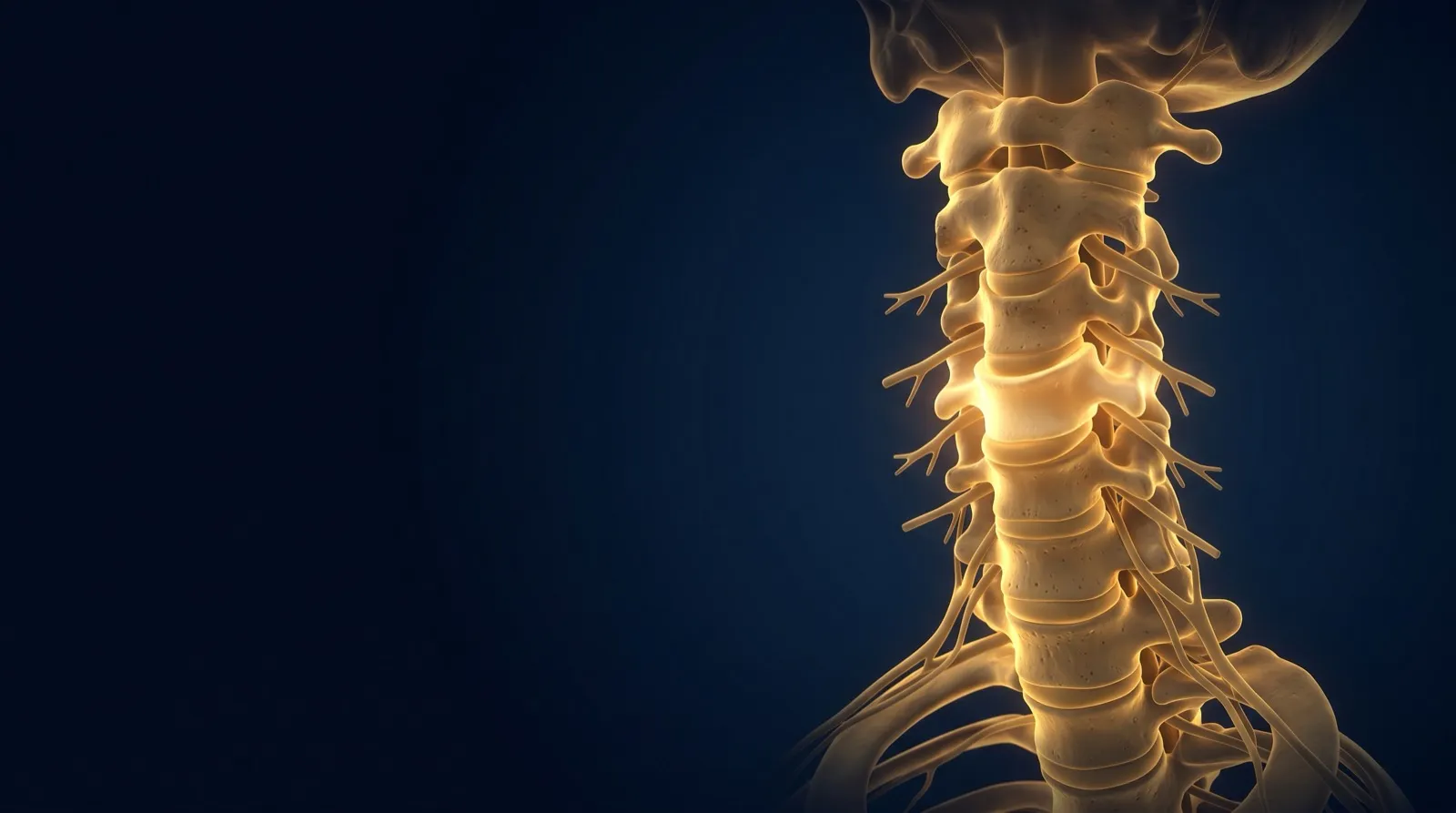
The atlas (C1) is the first vertebra in your spine — the ring of bone at the very top, where the skull meets the neck. It has no disc above or below it. It cradles the base of the skull and encircles the brainstem, which passes directly through it on its way down the spinal cord.
Think of the brainstem as the master relay station for your entire nervous system. It coordinates your heart rate, breathing, blood pressure, sleep cycles, hormonal regulation, immune function, and virtually every other automatic process your body runs. All of those signals pass through or originate in the brainstem — and the brainstem sits inside the atlas.
When the atlas subluxates — when it shifts out of its proper position — it creates pressure on the brainstem. Not somewhere down the spine. Directly on the brainstem. And when the brainstem is under pressure, the consequences can show up anywhere in the body.
Atlas (C1) AP — Before & After


What We Found — Initial Evaluation
Clinical finding: Atlas (C1) was severely subluxated, applying significant nerve pressure to the brainstem and spinal cord.
Presenting complaints: Headaches, neck and upper back discomfort, occasional vertigo, radiating paresthesias (pins, needles, tingling, numbness) into arms and hands.
Functional disruption: Frequently disrupted sleep, poor mental focus, low energy, irregular menstrual cycle.
Assessment: The subluxation interference was creating the environment producing all of the above. One structural problem — widespread functional consequences.
Six Months of Corrective Care
The correction plan was built around the atlas. X-ray analysis mapped the precise direction and magnitude of the misalignment, and adjustments were made specifically to return the atlas to its proper position relative to the skull and axis below it. This is not a general cervical adjustment — it is a targeted correction to a specific bone, based on specific measurements.
The body was then given time to adapt to the corrected position. Holding the correction long enough for the soft tissues around the atlas to stabilize in the new position is what makes the change lasting. One good adjustment isn't enough. A consistent correction plan over months is what produces structural change you can measure on film.
Where She Ended Up — Within the First Few Months
Headaches: Complete resolution.
Vertigo: Complete resolution.
Radiating paresthesias: Resolved. No more tingling or numbness in arms and hands.
Sleep: More restorative. Disruption resolved.
Energy: Notably increased.
Mental clarity: Improved alongside the structural correction.
Menstrual cycle: Regulated. The irregularity resolved as the brain-body connection was restored.
X-ray changes: Favorable improvement in atlas position — though the functional changes were even more significant than the structural measurements on film.
She Self-Regulated Once the Brain-Body Connection Was Restored
All of the improvements above came within the first few months of corrective care. Not after years. Within months.
The headaches and vertigo resolved as the brainstem pressure was relieved — those were the most direct consequence of the atlas subluxation, and they were the first to go. The tingling in her arms resolved as the nerve roots regained proper function. The sleep improved as the nervous system was no longer being held in chronic low-level stress by the brainstem compression. The energy and mental clarity came back as the brain-body communication was restored to its full capacity.
And the menstrual cycle regulated.
She self-regulated once the brain-body connection was restored. The body always knew how to do this. It just needed the interference removed.
That's the thing about the nervous system that is easy to miss when you're looking at a list of apparently unrelated symptoms: the nervous system coordinates everything. Hormone regulation, sleep, immune function, organ coordination — it all runs through the same network. When the master relay station (the brainstem) is under pressure from an atlas subluxation, the disruption isn't limited to one function. It spreads across all the functions that relay depends on.
Remove the pressure. Restore the relay. The body regulates itself.
Symptoms That Don't Seem to Connect?
When the nervous system is under structural interference, the effects can show up in unexpected places — hormones, sleep, energy, focus, and more. A subluxation-based structural evaluation looks at the source, not just the list of symptoms. Come in and find out what's actually driving your body's dysfunction.
Schedule a Structural AssessmentWhat This Case Means
This case is a clear illustration of why cervical subluxation — and atlas subluxation specifically — cannot be evaluated by symptoms alone. A 27-year-old woman comes in with headaches and an irregular menstrual cycle, and the average healthcare visit treats those as two separate problems to be managed separately. Chiropractic care that begins with structural analysis looks at the spine first — because the spine houses the nerve system that runs everything else.
Find the subluxation. Correct the subluxation. Then watch what the body is capable of when the interference is removed.
For anyone in Royal Palm Beach, Wellington, Lake Worth, Palm Beach Gardens, or across the Palm Beach area who has a list of symptoms that don't seem to connect — consider that they may all connect at the spine. A structural evaluation is where to start.
Why This Pattern Matters
The atlas is the most consequential single bone in the spine from a neurological standpoint. Every signal the brain sends to the body — and every signal the body sends back — passes through the brainstem, which sits inside the atlas ring. There is no other vertebra where the structural consequences of misalignment are this broad. When the atlas subluxates and creates brainstem pressure, the disruption does not stay local. It travels along every pathway the brainstem coordinates: sleep, hormone regulation, immune function, energy, circulation, and reproductive cycles.
This case demonstrates that reach precisely. A 27-year-old whose atlas was severely subluxated presented with headaches, vertigo, arm paresthesias, sleep disruption, low energy, poor focus, and an irregular menstrual cycle — all from one bone out of position. Within months of corrective care, all of it resolved. The body was not treated for seven separate conditions. It was given one structural correction. Innate Intelligence handled the rest. That is not a philosophy. That is what this nervous system did once the brainstem interference was removed.
What to Look For
Atlas subluxation in young adults — particularly women — often gets fragmented across multiple providers. Headaches go to neurology. Menstrual irregularity goes to gynecology. Sleep and focus go to primary care. Vertigo goes to ENT. Each complaint gets its own management path, and the structural cause connecting all of them never gets identified because no single provider is looking at the spine as the common source.
When these complaints coexist — especially when they developed or worsened around the same time, or when each has been managed separately without lasting resolution — the atlas deserves investigation. The AP upper cervical X-ray will show C1 position clearly. A cluster of apparently unrelated complaints in an otherwise healthy young person is one of the strongest indicators that upper cervical subluxation is present.
Have you ever had your spine checked for subluxation?