She Came In Out of Curiosity — and That Is Admirable
This 33-year-old woman came to Rochet Family Chiropractic after friends in her social circle had been discussing the improvements they were seeing through subluxation correction. Their results had prompted conversations — and those conversations prompted a question she had never thought to ask before: what does her own spine look like? She had no complaints. No pain. No headaches. Nothing she would classify as a problem. She was simply curious to find out what was going on with her spine, and she wanted to find a way to maintain her wellbeing rather than wait until her body demanded that she pay attention to it.
I love this attitude. It is the highest expression of stewardship over the body God created. Not waiting for the spine to communicate through discomfort — seeking out the structural truth before the problem compounds. Vertebral subluxation does not wait for symptoms to be present in order to be structurally significant. The X-ray shows us what is happening regardless of what the patient feels. Hers was an uncommon case in that she arrived before symptoms forced her in. The X-ray was not uncommon at all.
What a Symptom-Free Spine Actually Looked Like on Film
Clinical Findings — Lateral Cervical X-Ray Analysis
Patient: 33-year-old female; no presenting complaints; proactive evaluation
Presenting motivation: Friends discussing improvements through subluxation correction; wanted to know her own spinal status
X-ray type: Lateral cervical
Finding: Significant cervical subluxation confirmed despite absence of symptoms
Care plan: 3 months into recommended 6-month corrective plan at time of this spotlight
3-month interim X-ray: Significant cervical structural correction already achieved
QOL improvements (without prior complaints): Better sleep; more energy; improved mental clarity and focus; less stiffness during tennis
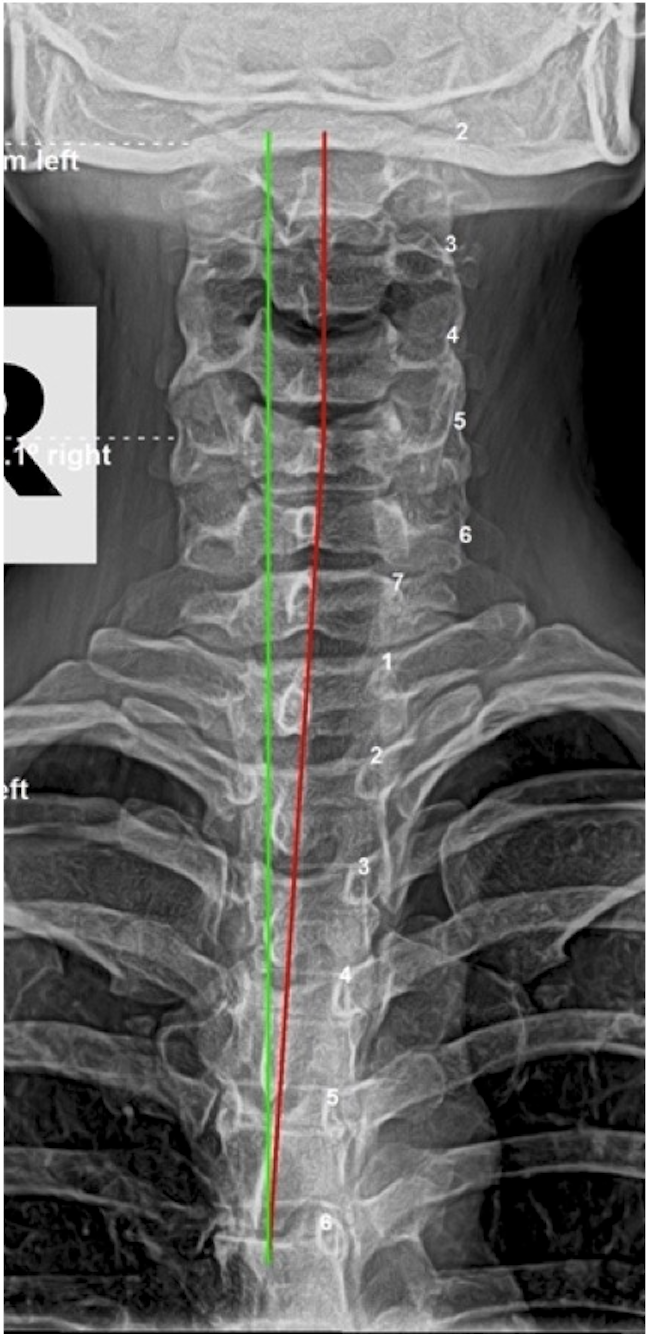
The lateral cervical X-ray confirmed what the X-ray almost always confirms in a 33-year-old who has lived a normal modern life without structural spinal care: significant cervical subluxation. The absence of pain had nothing to do with the structural reality of her spine. The subluxation was there. The nerve interference was there. She simply had not yet experienced the threshold at which the nervous system resorts to pain as a communication signal.
We recommended a six-month corrective plan. She committed to it. Three months into that plan, this spotlight was written to document the interim findings — because what happened in three months was worth sharing immediately.
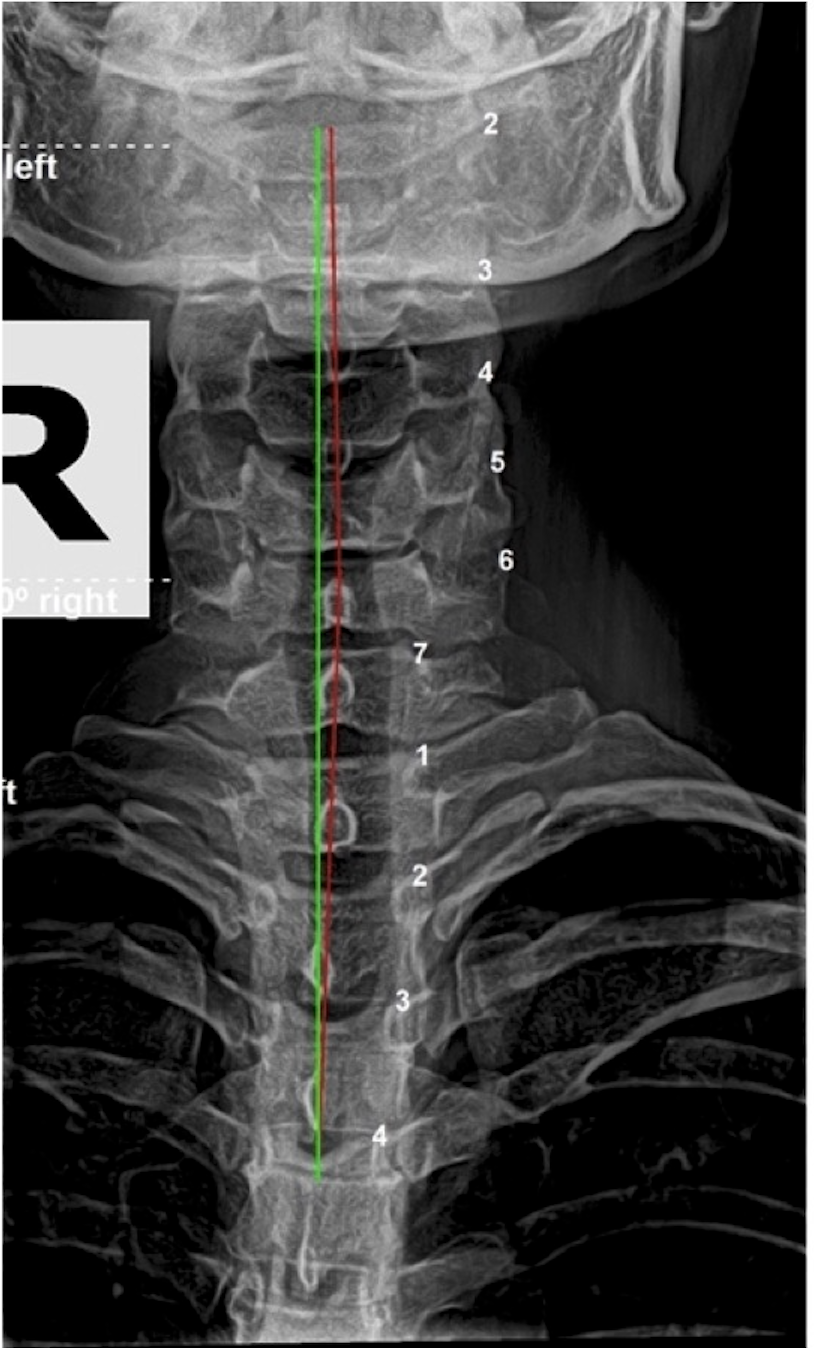
Cervical Lateral — Before & 3-Month Interim
What Three Months Produced in a Patient With “No Problems”
The three-month interim lateral cervical X-ray showed significant correction. The spine was moving structurally in the right direction. But the more interesting story is what she reported experiencing — improvements she had not identified as problems when she walked in, because she had no frame of reference for what they could be.
Better sleep. More energy. Better mental clarity and focus. Less stiffness when playing tennis. None of those things were on her complaint list when we started. She had not known that her nervous system was operating under the drag of cervical subluxation, because the drag had been present long enough to feel normal. When the subluxation began to be corrected and Innate Intelligence had less interference to work through, the nervous system expressed more of what it was designed to express. The changes were unmistakable. She is continuing on the second three months of her corrective plan. The spine tells the truth when you ask it on film — even when the patient has nothing to complain about.
Why This Pattern Matters
The model most people operate under is reactive — wait for pain, then act. The problem with that model is that by the time pain arrives, the structural problem has been developing for months or years. The nervous system uses pain as a last resort, not an early signal. Subluxation produces measurable structural compromise and neurological interference long before the threshold for pain is crossed.
What this case shows is that absence of symptoms is not the same as presence of health. Thirty-three years old, no complaints, significant cervical subluxation confirmed on film. The body had been compensating long enough for the altered structural state to feel normal. That normalcy is not health. It is adaptation. When the subluxation was corrected, Innate Intelligence expressed what it was always designed to express — and the quality-of-life improvements she experienced were things she hadn't known to miss because she had nothing to compare them against.
The quality-of-life improvements from proactive correction follow a specific pattern: they appear in functions the patient had already normalized. Sleep that improves when you didn't know it was poor. Energy that increases when you thought you were simply getting older. Mental clarity that sharpens when you had attributed the fog to stress. These are not bonuses of care — they are the body's report on how much Innate Intelligence was being constrained before the correction began. The X-ray revealed the structural reality. The correction revealed the functional potential that reality had been suppressing.
There is also a social dimension this case illustrates directly. She came in because her social circle was experiencing results and sharing them. That cycle — correction, visible outcome, friend evaluates, correction — is how a structurally aware community builds. Patients who find us this way are often the most motivated and the most compliant. They chose the evaluation before the crisis. They complete the care plan before pain made it obligatory. They correct the spine when Innate Intelligence can do the most with the structural freedom it's given.
The quality-of-life improvements this patient experienced — sleep, energy, mental clarity, tennis performance — also follow a predictable pattern in proactive correction cases. They appear in the domains that the nervous system governs below the threshold of pain. Sleep is autonomic. Energy regulation is autonomic. Concentration is neurological. When the cervical subluxation that was interfering with those systems is corrected, the improvements arrive in those same domains — because the systems governing them now have less interference to work through. The patient experiences improvement in the category where her function had been suppressed, not in a pain category she had no complaints about.
The social referral chain this case represents is also structurally important for understanding how proactive chiropractic care spreads. One corrected patient describes their experience to someone in their circle. That person observes the X-ray comparison. The structural change is visible. The functional improvements are reported firsthand. The next patient comes in not because they are in crisis, but because they saw what was possible when the structural source of suppressed function was addressed. That is a different motivation than pain — and a more durable one, because it is not contingent on continuing discomfort to maintain commitment to care.
What to Look For
The difficulty with proactive evaluation is that there is often nothing to look for. Sleep quality that hasn't felt right for years but hasn't been bad enough to address. Energy that runs a little lower than it probably should. Mental clarity that comes and goes without obvious cause. These are easy to dismiss as stress or aging. They are also common expressions of a nervous system carrying a structural interference load. The X-ray is the only tool that shows the difference.
If someone in your social circle has had their spine evaluated and the results were significant, that is a reason to find out what yours looks like. Most of the time, the X-ray confirms they were right to look. Proactive patients find us through word of mouth — and they find out what has been present in their spine, often for years.
Have you ever had your spine checked for subluxation?
You Do Not Have to Be in Pain to Have a Problem Worth Correcting.
If your friends are getting better and you are curious about your own spine, that is a good enough reason to come in. A lateral cervical X-ray will show you exactly what is happening in your neck — whether you have symptoms or not. You may be surprised by what you find, and even more surprised by what changes when it is corrected.
Schedule a Structural EvaluationOr call us at (561) 795-3156