By Dr. Romar Rochet, D.C. — 20+ years subluxation-based family chiropractic care. Specializing in pediatric structural correction from infancy through the teenage years.
How kids develop subluxation
Spinal problems don't wait for adulthood. The developing spine is under load from birth, and that load builds quietly for years before anyone notices.
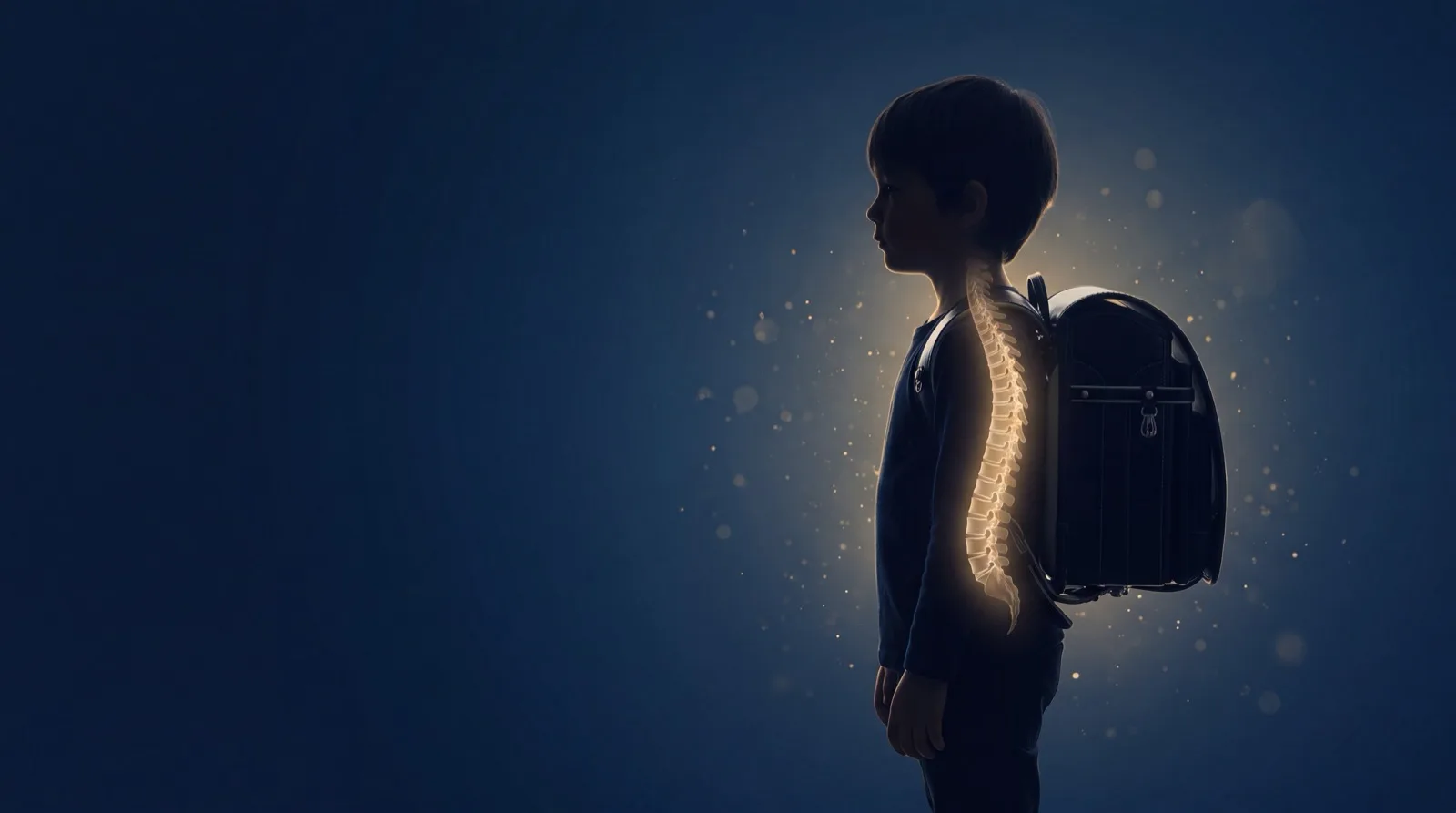
Routine delivery exerts real mechanical force on an infant's cervical spine. After that comes the falls of early childhood, contact sports, hours of screen time with the head bent forward, backpacks that weigh more than they should. By middle school, a child's spine has often been accumulating misalignment for a decade.
Children compensate well. They don't complain. That's the problem. Subluxation goes undetected while the nervous system works around it, year after year, until the compensation runs out.
"The time to correct the foundation is before the structure above it shows the damage."
What subluxation does in a child's body
A vertebral subluxation is a spinal misalignment that creates interference in the nervous system. The nervous system runs the body. Digestion, immune function, sleep, the ability to heal — all of it depends on clear nerve communication from brain to body and back.
In children, subluxation rarely announces itself as obvious back discomfort. It shows up in other places: how the body handles illness, how digestion works, how well the child sleeps. Parents often notice something is off before they can name it. The structural root is frequently what they're sensing.
The spine houses the communication system. When it's misaligned, the system inside works around an obstacle it shouldn't have.
What subluxation correction actually does
Subluxation-based care for children isn't about managing what the child is experiencing. It's about removing the structural interference so the body can do what it already knows how to do.
Care at Rochet Family Chiropractic starts with a structural analysis: spinal alignment, posture, neurological function, and when appropriate for the child's age, spinal X-rays to find exactly where misalignment is present and how significant it is.
Corrections for children use a fraction of the force used for adults. A developing spine responds well. The goal is to restore proper alignment and remove the interference. Nothing more complicated than that.
Subluxation correction is not a direct approach to any named presentation. It removes the structural interference that prevents the body from self-regulating. When the nervous system is clear and the spine is aligned, the body's innate capacity to function does the rest.
How subluxation affects developing bodies
Subluxation has been identified as a contributing structural factor in a wide range of childhood presentations. This is not a claim that chiropractic corrects these presentations directly. When nerve interference is removed, the body functions better — and that matters for any presentation that depends on unobstructed nervous system communication.
Presentations where subluxation has been identified as a contributing structural factor:
- Colic and infant digestive distress
- Recurrent ear infections (otitis media)
- Constipation and irregular bowel function
- Difficulty latching or nursing in infants
- Sleep disturbances
- Immune system challenges
These are examples, not an exhaustive list. Dr. Rochet evaluates each child individually.
What the first visit looks like
Dr. Rochet has practiced in Royal Palm Beach since 2007. We see children from infancy through the teenage years. The approach is the same regardless of age: find the subluxation, correct it precisely, track progress.
Your child's first visit covers health history, a postural and structural evaluation, and a conversation about what you've been observing. X-rays are taken when clinically indicated and age-appropriate. Before care begins, Dr. Rochet explains exactly what he found, what it means structurally, and what a correction plan involves. Every correction is based on what the examination and X-rays show.
Subluxation-based care vs. the alternative
Some care adjusts to change what the child is feeling in the moment. Subluxation-based care corrects the structural misalignment creating the nerve interference, whether or not the child is aware of it yet.
Most parents who bring their kids to us aren't looking for a shortcut. They want to address something structural before it becomes something bigger. We're on Royal Palm Beach Blvd, a few minutes from Wellington. Call us or fill out a new patient form to get started.
Care often begins earlier than parents expect. Chiropractic for newborns addresses the upper-cervical subluxation that birth itself can create — many families bring an infant within days of delivery.