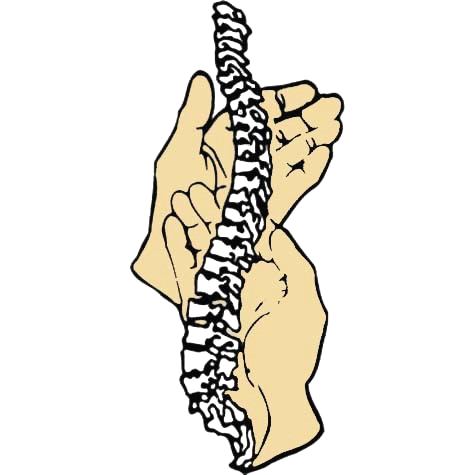
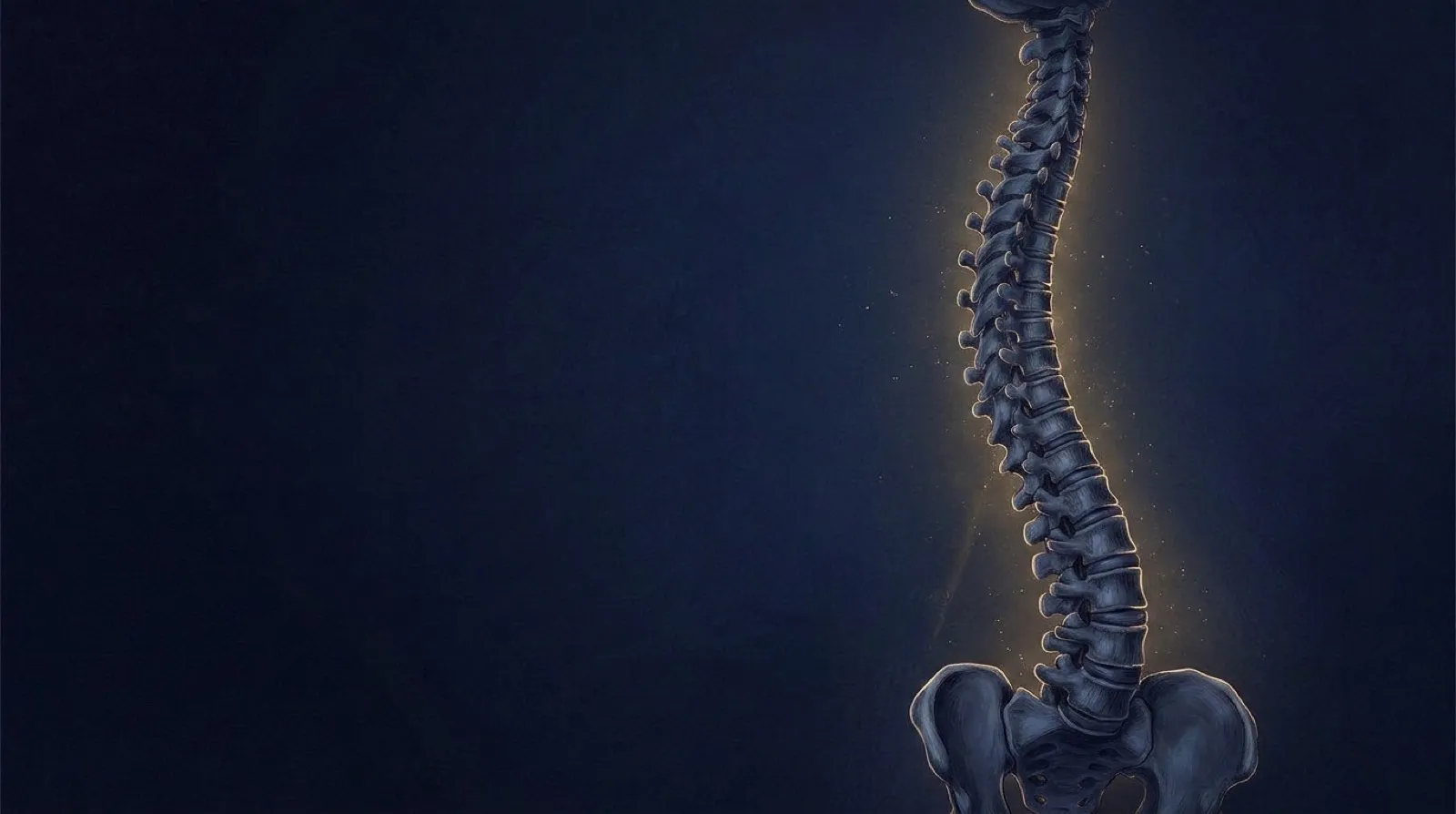
The anterior-inferior (AI) sacrum is a specific subluxation in which the sacrum — the base bone the whole spine is built on — tilts anteriorly (forward) and inferiorly (downward) out of its neutral position. Because everything above it depends on that foundation being level, it is one of the most structurally significant subluxations we look for.
"The sacrum is the foundation of the spine. When it subluxates anteriorly and inferiorly, nothing above it sits right — and the body spends enormous energy compensating." — Dr. Romar Rochet
What the AI sacrum is
The sacrum is the triangular bone at the base of your spine, wedged between the two halves of your pelvis. It is the platform every vertebra above it sits on. When it subluxates anteriorly and inferiorly, the whole platform tilts, and the significance of an AI sacrum comes less from where it is than from what it does to everything stacked on top of it.
Why it sits at the foundation
The spine is a mechanical column, and every segment above the sacrum depends on that base being level. When the sacrum tilts forward and down, it changes the angle of the platform the lumbar spine rests on, and the lumbar curve compensates to keep you upright. That compensation does not stay put — it travels. The thoracic spine adjusts, and the cervical spine, sitting at the very top, compensates last and often carries the most of that accumulated stress.
This is why someone with an undetected AI sacrum can present with complaints that seem to have nothing to do with the low back — a stiff neck, a hip that tracks wrong, a knee that aches on one side. The pattern often traces back down the column to a foundation that is no longer sitting where it should.
Foundation first. The AI sacrum is second only to the atlas in how much it disrupts the whole structure. The goal of correcting it is to change the mechanics for the entire column above — not just the low back.
How it is detected
An AI sacrum does not reliably announce itself with pain at the site of the problem, and that is exactly why we do not go looking for it by symptom. It is identified through structural X-ray analysis, which shows the position of the sacrum relative to the lumbar spine and the degree of the anterior-inferior tilt. Full X-ray analysis is included with a new-patient consultation, because a foundation displacement is not something you can feel your way to — it has to be measured.
The goal of correction
The correction is a specific sacral adjustment aimed at the displacement — a precise force delivered in the direction the sacrum needs to move to return toward its neutral position. The goal is to restore the foundation, so that the compensatory stress the rest of the column has been carrying has the opportunity to unwind. Correction starts at the base, because the segments above it are responding to what the base is doing.
This is not a one-visit event. A sacrum that has been subluxated for years has taught the spine above it to compensate, and re-establishing the foundation takes specific, consistent care, measured over time on film rather than by how you feel on a given day. As the base is restored, the body's Innate Intelligence has a level structure to work through again — the way it was designed to.
Want to understand how the AI sacrum fits into the broader pattern of subluxation, and why correcting the foundation matters for the whole spine?
Read the complete subluxation guide →