A box-truck driver came in for his neck. He had neck pain and upper-back dysfunction, and he had noticed changes in his breathing as well. His neck was where he felt it. As the films showed, his neck was not where the problem started.
"He came in for his neck, and the primary finding was his sacrum. That is what the X-ray showed, and the X-ray does not have an agenda." — Dr. Romar Rochet
What he came in for
He arrived with neck pain and upper-thoracic dysfunction, and he mentioned changes in his breathing that had him paying closer attention. Driving a truck all day, he assumed his neck had simply taken the brunt of it. That is a reasonable assumption, and it is the one nearly everyone makes: you feel it in your neck, so the neck must be the problem.
What the analysis found
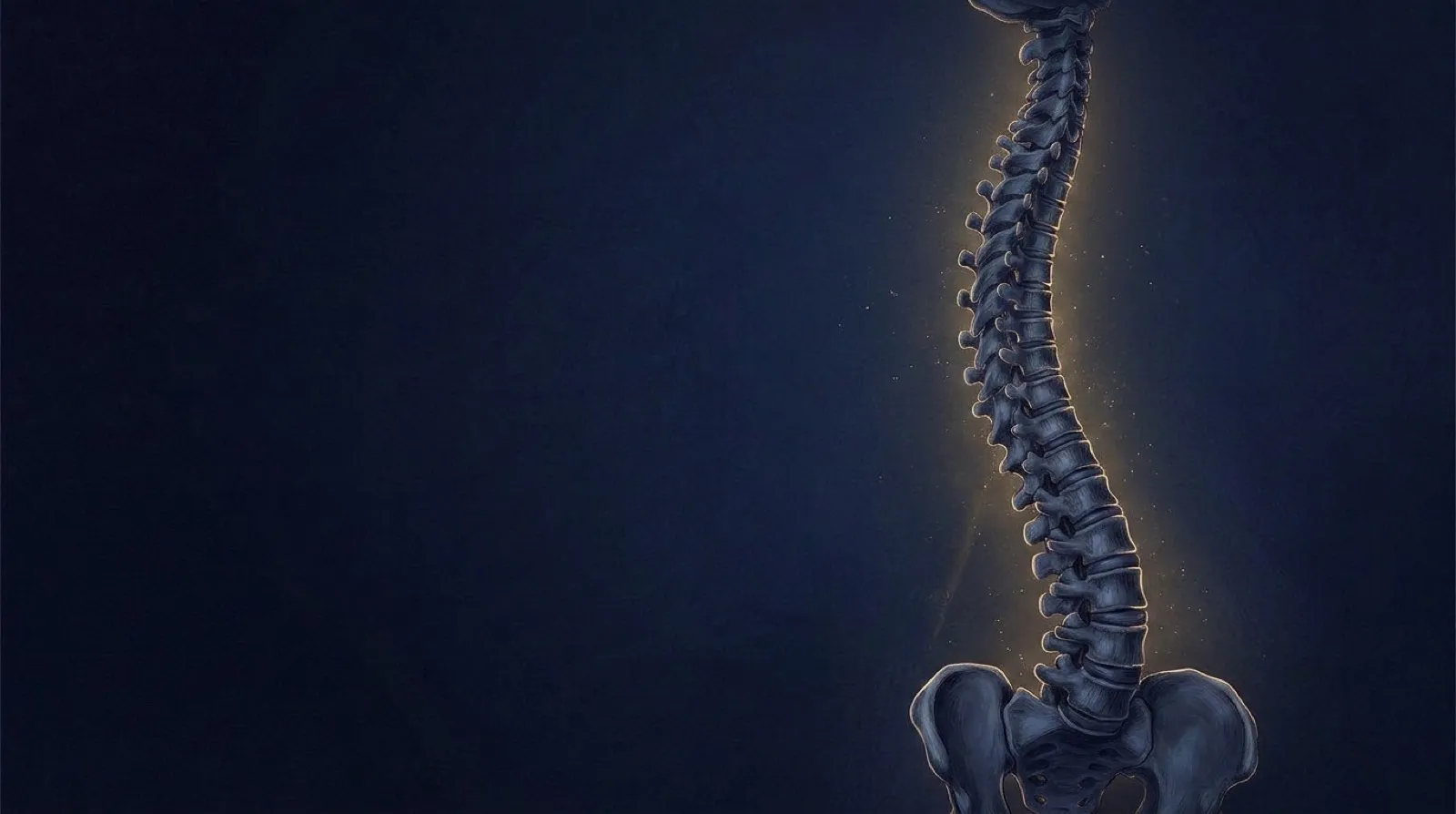
Full-spine structural analysis found an anterior-inferior sacrum subluxation as the primary displacement. The sacrum is the foundation of the spine, the base every vertebra above it is built on. When it shifts forward and down, the lumbar spine compensates, the thoracic spine compensates to that, and the cervical spine, sitting at the very top, absorbs whatever stress is left. His neck was the last part of the column to feel it, not the first part to go wrong.
The correction
We started at the base. The correction was directed first at the lumbosacral subluxation, because the segments above it were responding to what the foundation was doing. As the sacral displacement was reduced, the compensatory tension that had traveled up into the thoracic and cervical regions had the opportunity to unwind. Correcting from the top down would have chased the compensation; correcting from the bottom up addressed where the pattern began.
A neck complaint with a sacral origin. The anterior-inferior sacrum subluxation changed the mechanics for the entire column. The aim of correcting the foundation was to release the compensatory stress that had accumulated above it, so the whole structure had a level base to reorganize around.
What happened
For this patient, the neck pain and the upper-back dysfunction eased as the foundation was restored, and he noted his breathing settling as well. The video walks through the structural findings and his outcome, from the base of the column to the top. His spine is his own, but the sequence — correct the foundation, let the compensation above it release — is one I return to often.
Want to understand how the anterior-inferior sacrum subluxation disrupts the whole column, and why foundation correction changes everything above it?
Read the AI sacrum explainer →