This patient came in with two things that seemed to belong to different parts of the body: chronic migraines up top, and parasthesias — tingling and numbness — through the lower body that had been present long enough to feel almost normal. Two complaints, at opposite ends, both unresolved.
What she came in with
The migraines she could not plan around, and the tingling in her lower body had been with her long enough that she had stopped mentioning it. One lived at the top of the spine, one at the bottom, and to her they were simply two separate things she had learned to carry. What connected them was not obvious until we looked at the structure.
What the analysis found
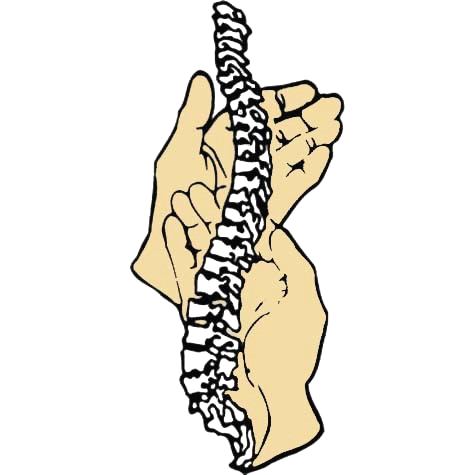
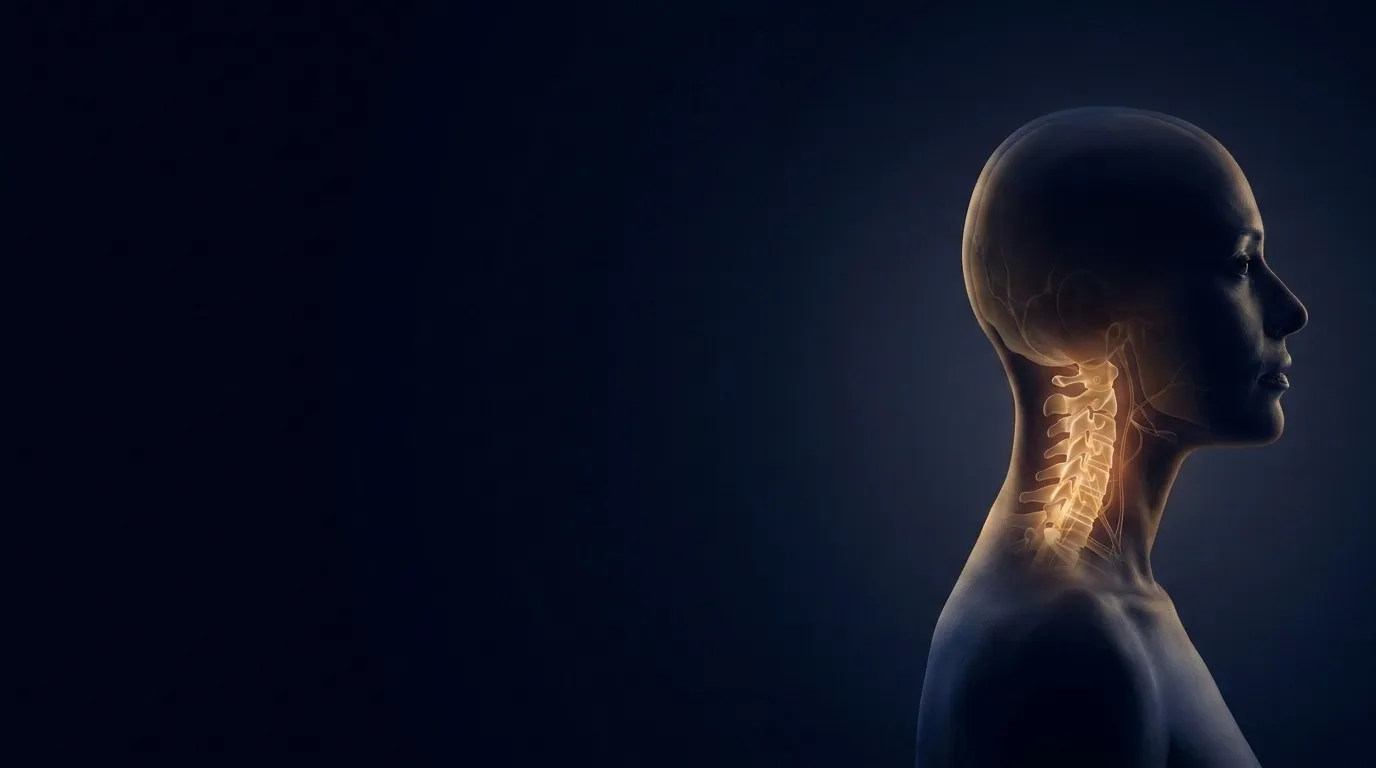
Structural X-ray and spinal analysis found subluxations in both the cervical spine and the lumbosacral region. Those vertebral levels sit along the nerve pathways involved in both complaints, the upper cervical spine relating to the migraine pattern and the lumbosacral roots relating to the lower-body tingling. Two problems at opposite ends of the column, and one underlying category of cause running between them.
The correction
We corrected the specific vertebral levels the analysis identified, not to act on the migraines or the numbness directly, but to address the displacement creating interference at those roots. The adjustment removes the block; the body handles what follows. Her plan was built around her own spine and how long these patterns had been settling in.
Two complaints, opposite ends, one structural cause. Correcting the subluxations at the cervical spine and the lumbosacral region was aimed at clearing the interference at both levels, so the body's own capacity to function had a clearer path top to bottom.
What happened
For this patient, the migraines eased and the lower-body tingling quieted as the interference was addressed. That is what the video documents — a correction outcome, worked from both ends of the column. Her spine and her results are her own, but the connection between two distant complaints and one nerve system is the whole point of looking structurally.
Want to understand the mechanism — what a subluxation is, how it develops, and what correction is aimed at doing for the nervous system?
Read the complete subluxation guide →